What a licensed general building contractor does
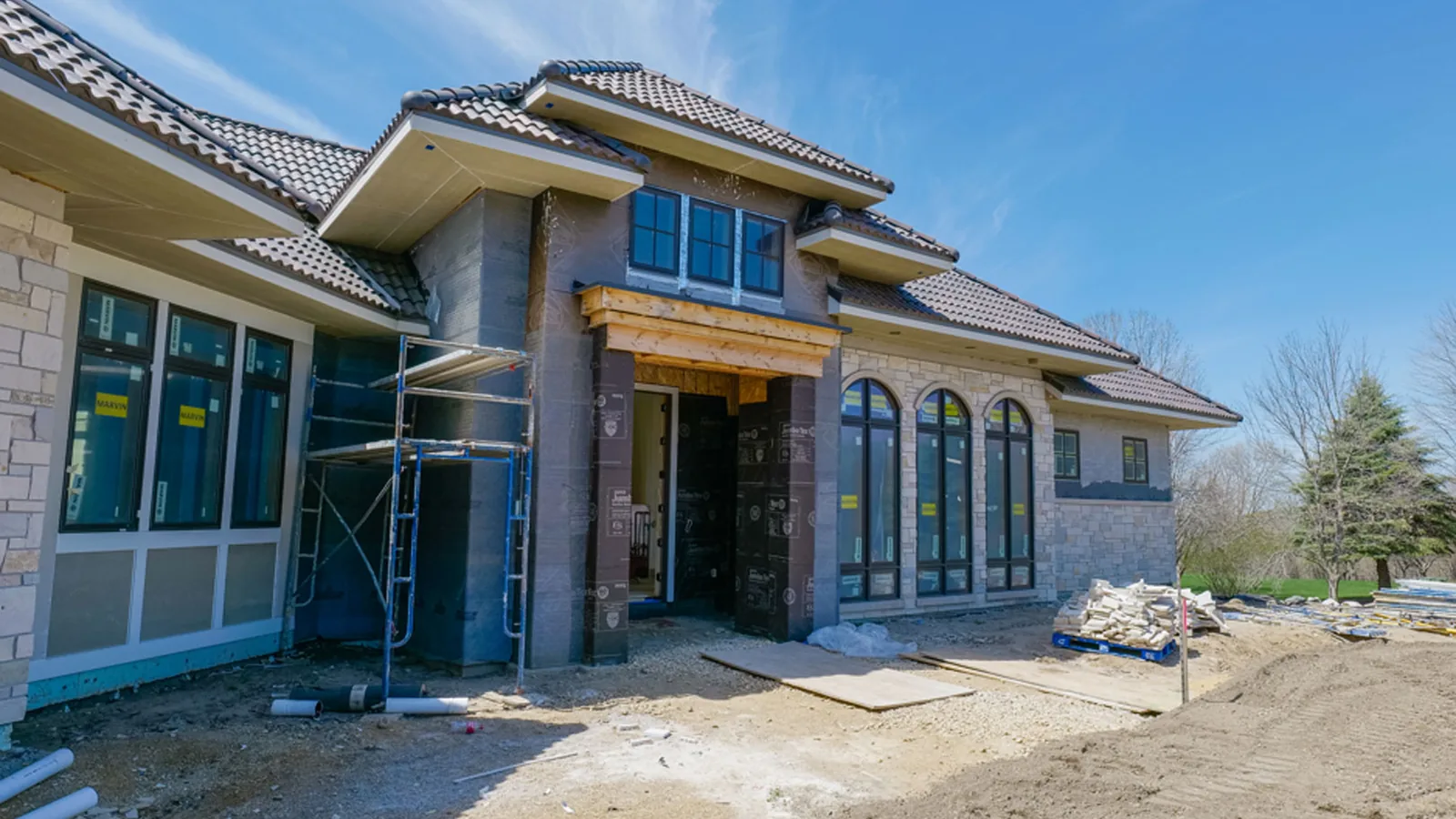
A general building contractor takes responsibility for the whole structure. The B classification is written for projects that need at least two unrelated building trades working together. Most remodels, additions and outdoor building projects are exactly that. We have held our B license since 2000, which is more than 25 years as a licensed California contractor.
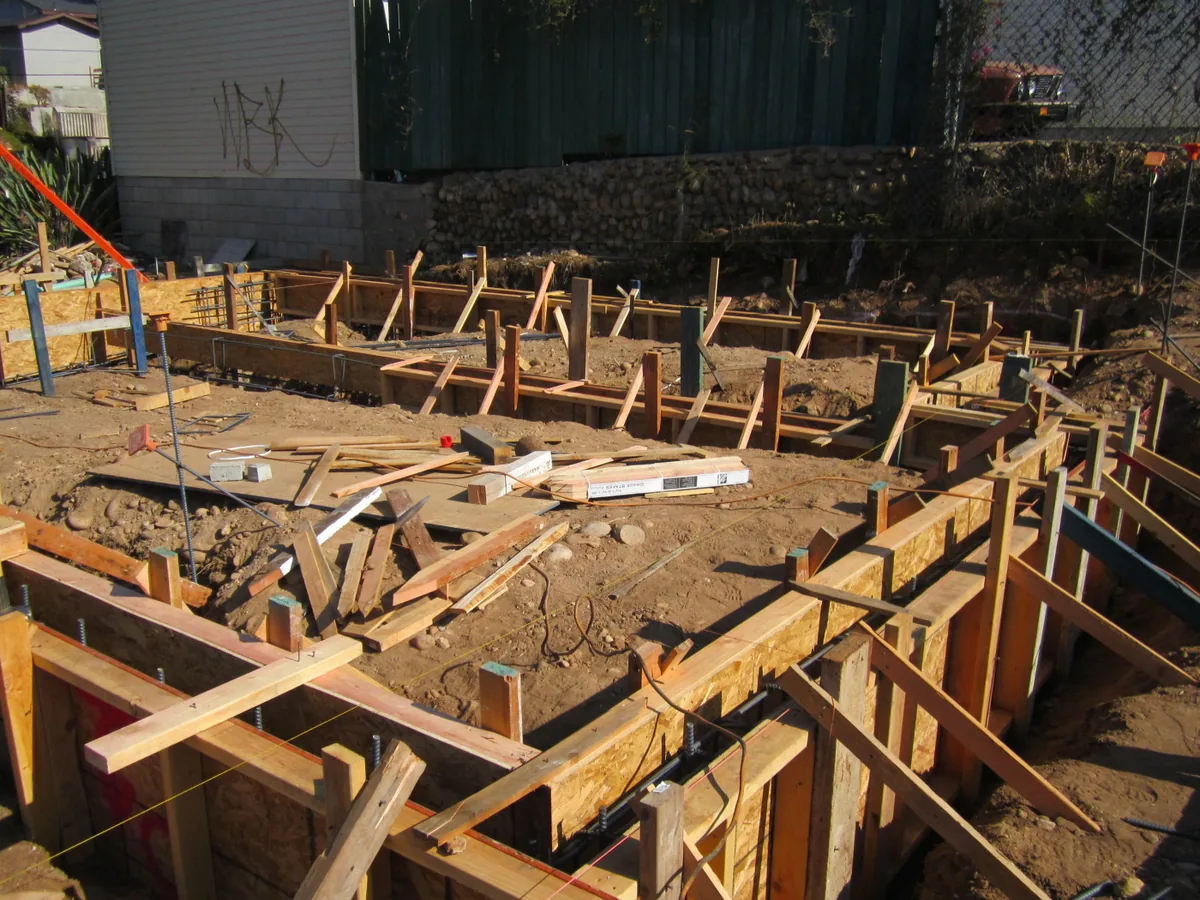
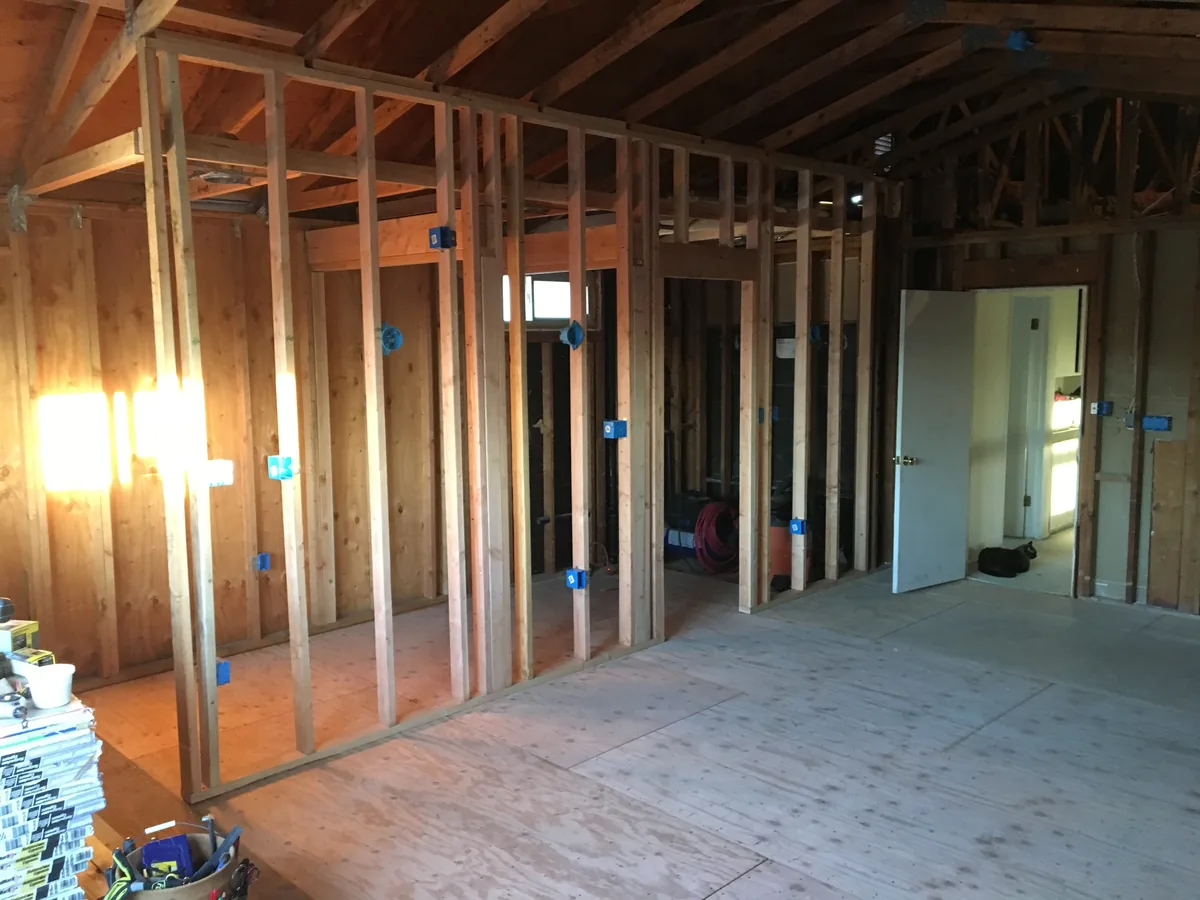
An addition is the plain example. It needs footings and a slab, then framing, then electrical and plumbing, then finishes. Each stage has to pass inspection before the next one covers it. One licensed contractor holds the contract for all of it.
That is how we run a project. Our crew handles the concrete, masonry, carpentry and iron work. Licensed plumbing and electrical contractors do their trades under our contract. When a job needs foundations and slabs, we build to the engineer's plans.
Home remodeling and room additions across the Monterey Bay area
We handle home remodeling and room additions as a general contractor. Every job starts with a site visit and a written estimate that lists the scope. When you already have plans from an architect or a designer, we build from them.
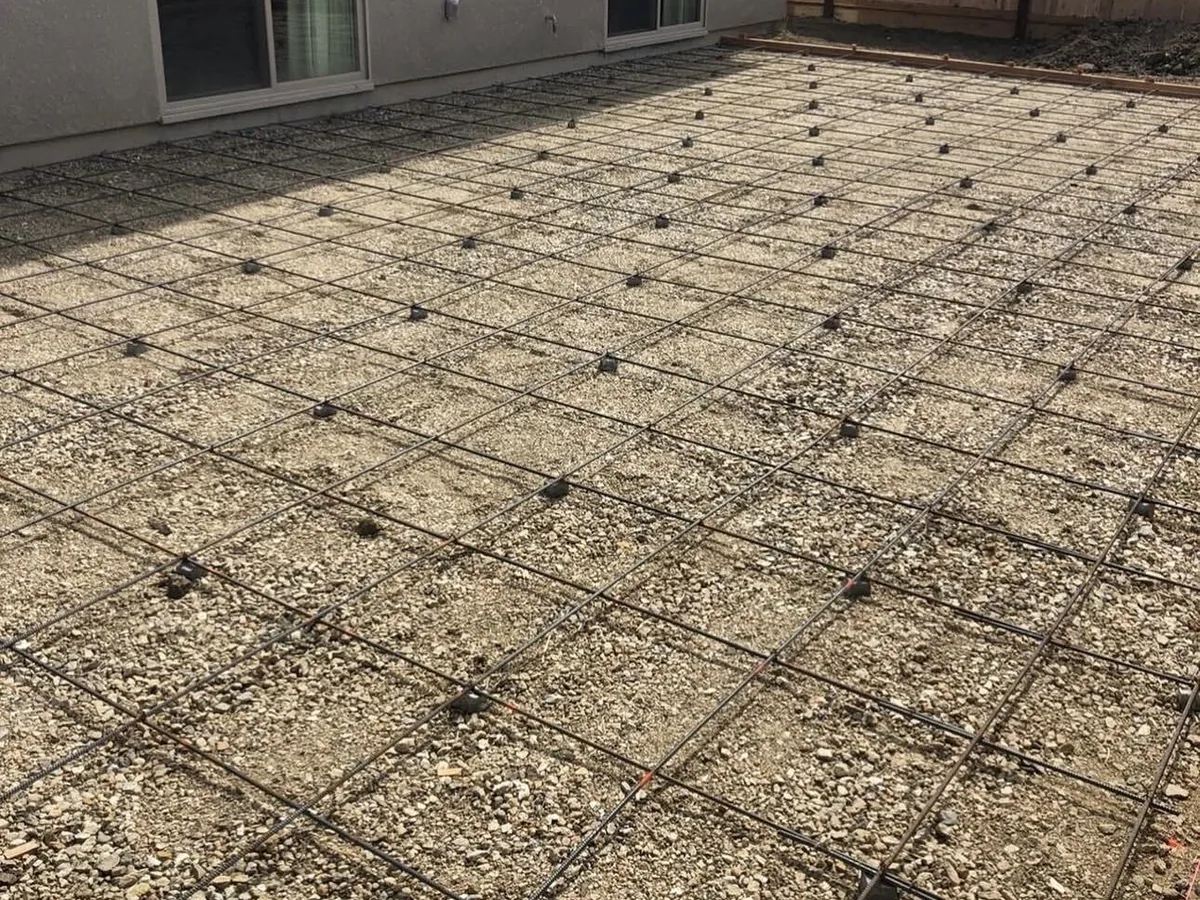
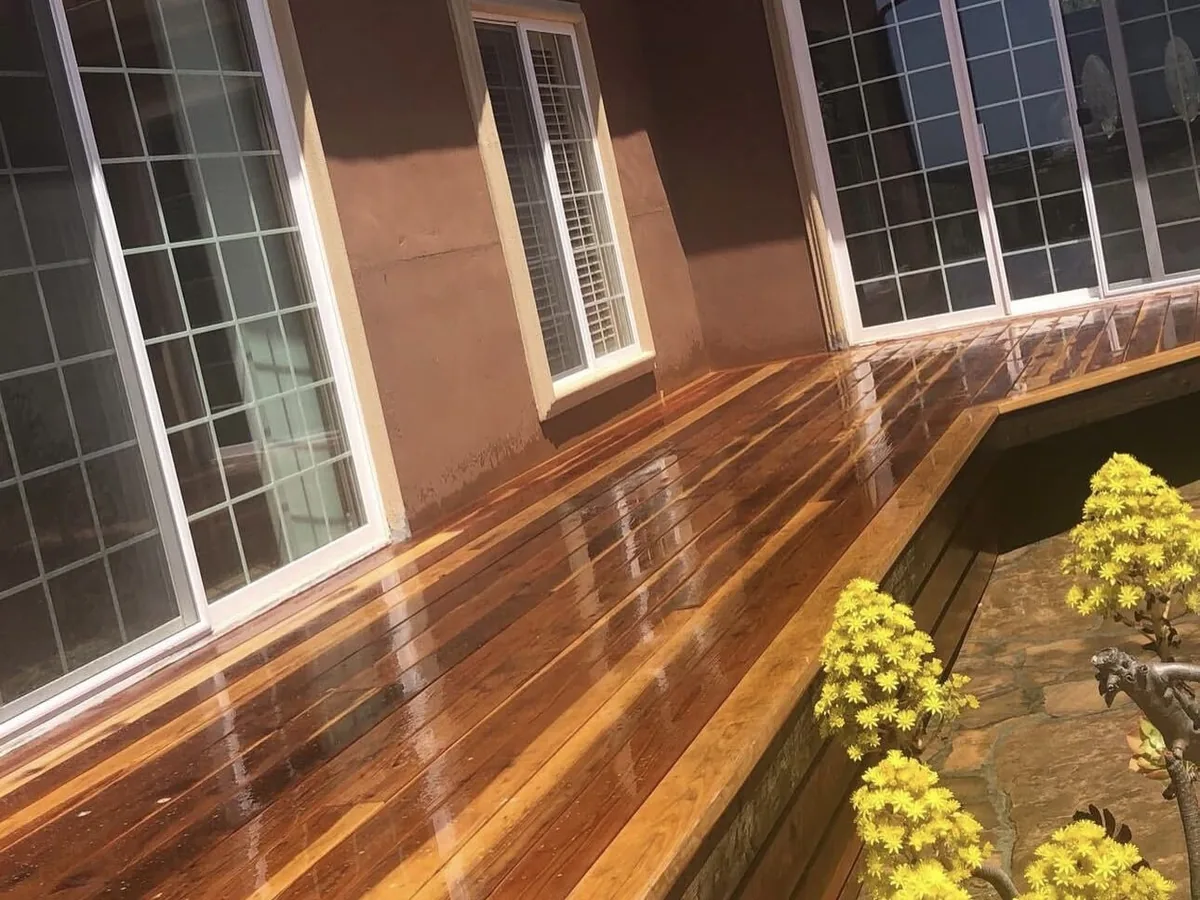
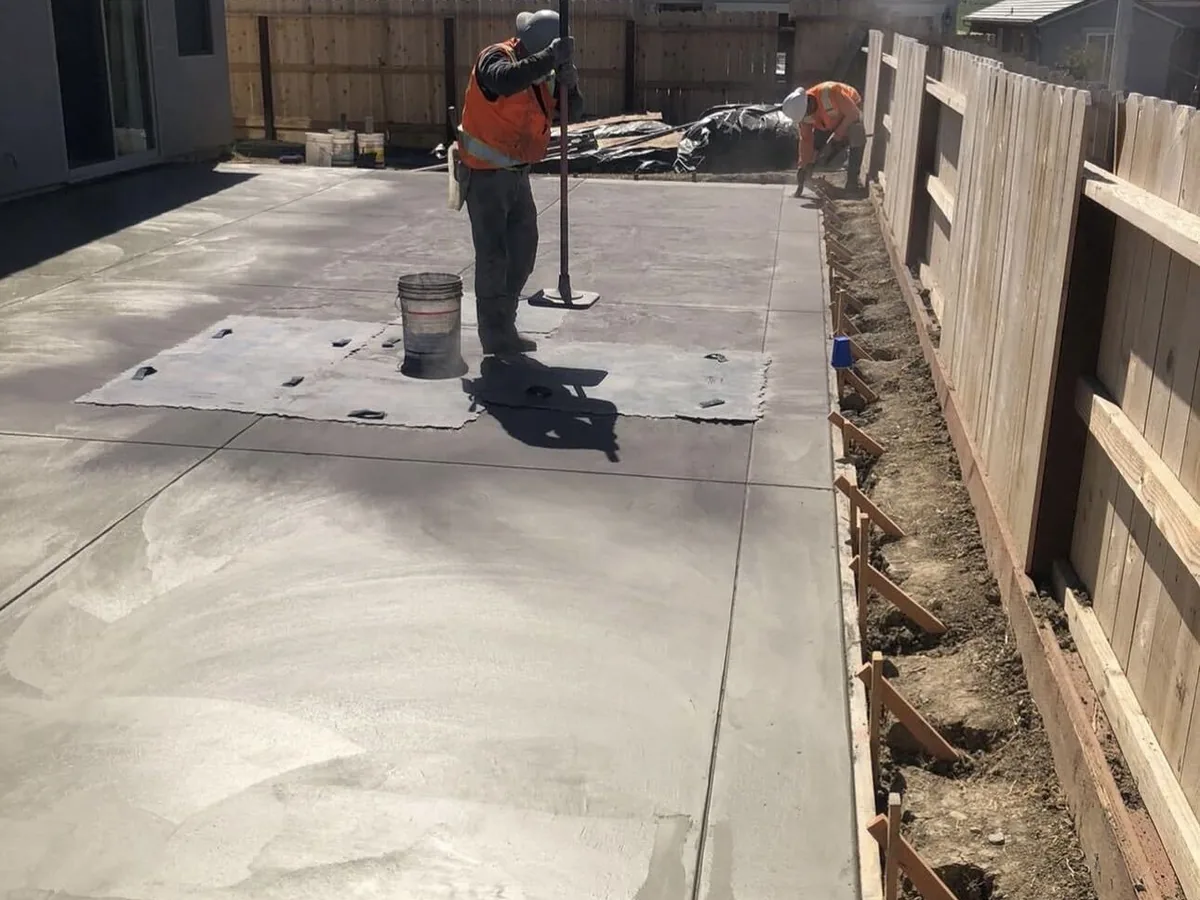
Structural work is where our own trades show up. Footings, slabs, site walls and flatwork get poured by our crew. Carpentry covers framing, redwood decks and patio covers. Iron work covers railings and gates that we fabricate and weld.
Outdoor projects are often the most multi-trade jobs we build. A built-in outdoor kitchen needs masonry, concrete, gas and power in one sequence. We set that order so the patio gets poured once and the finishes go on last.
Permits, inspections and one schedule for the whole job
Most of this work needs a permit, and which office issues it depends on the address. Cities permit work inside city limits, and counties permit the unincorporated areas. A Salinas job goes to the city permit center. A job in Pebble Beach, Carmel Valley or Prunedale goes to Monterey County's Housing and Community Development department.
Plans get reviewed against the current California Building Standards Code and any local amendments. Coastal properties can fall under coastal permit rules on top of the building permit. We check with the local planning counter before the schedule is set.
Inspections come in stages. The building department looks at forms and steel before a concrete pour. The trades get signed off before anything is covered. Our schedule is built around those hold points.