What goes into a built in BBQ island
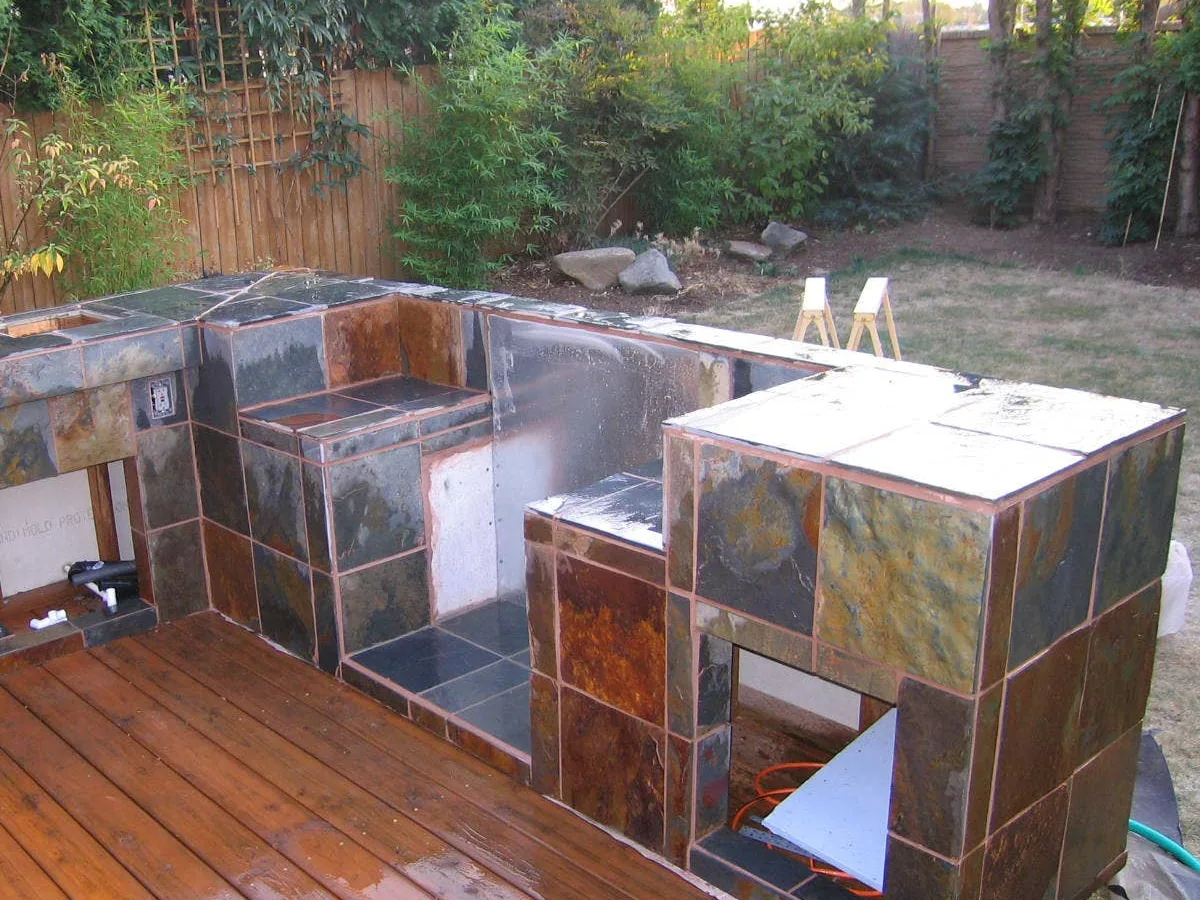
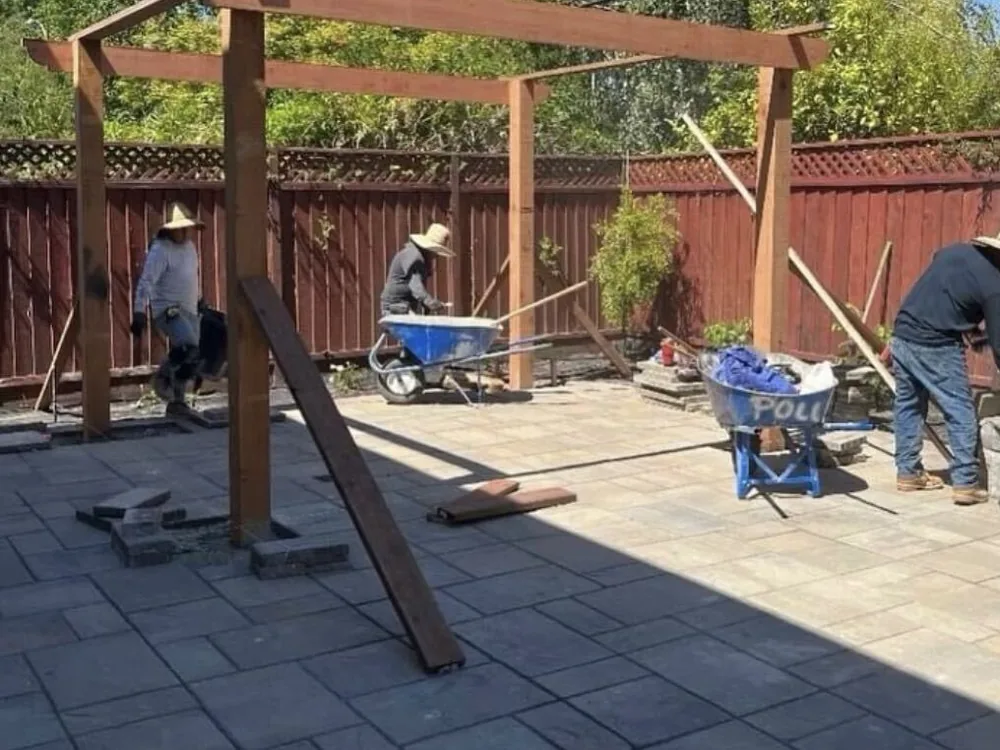
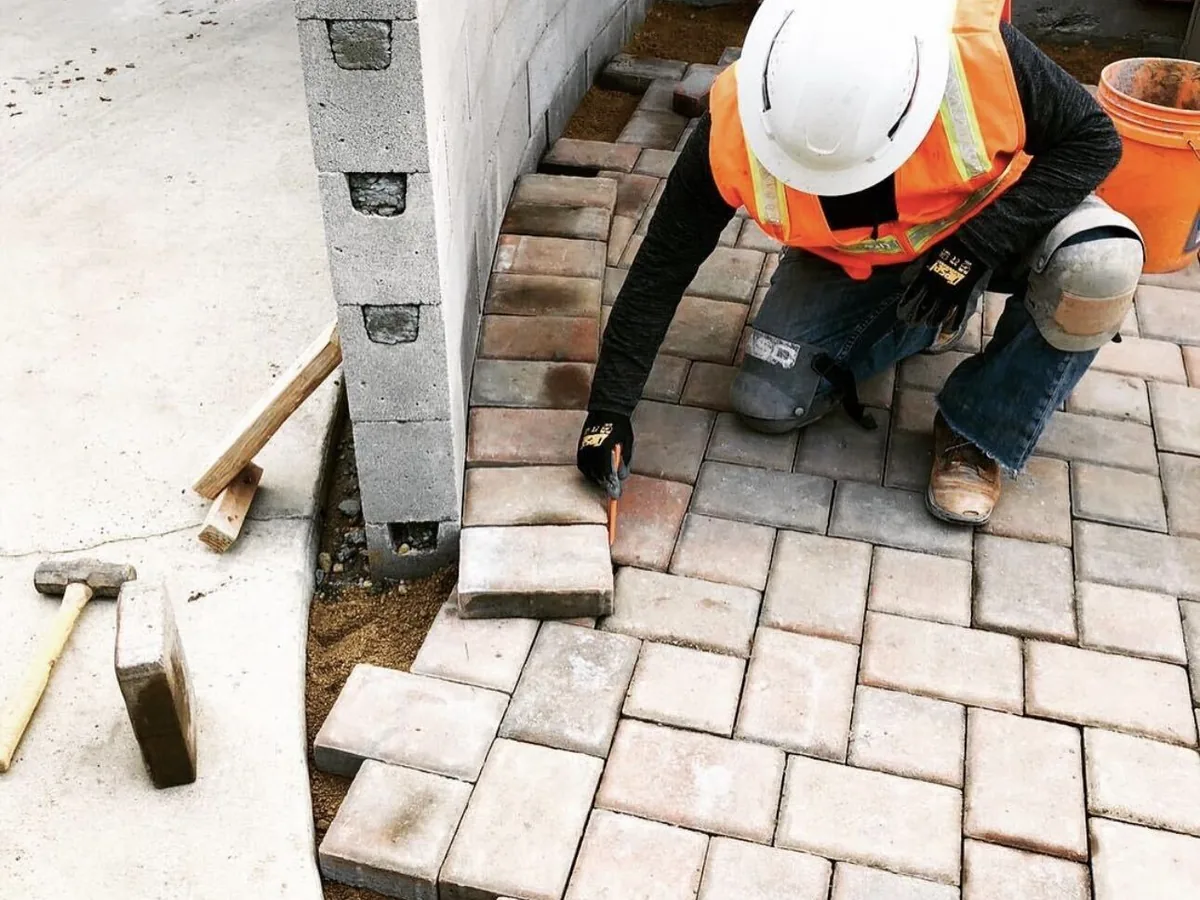
The island starts underground. A heavy masonry island stays put only when the ground under it is prepared. We pour a footing and slab sized for the island, and tie in steel. On a paver patio the pavers come up where the island lands, and the field is reset around the footing.
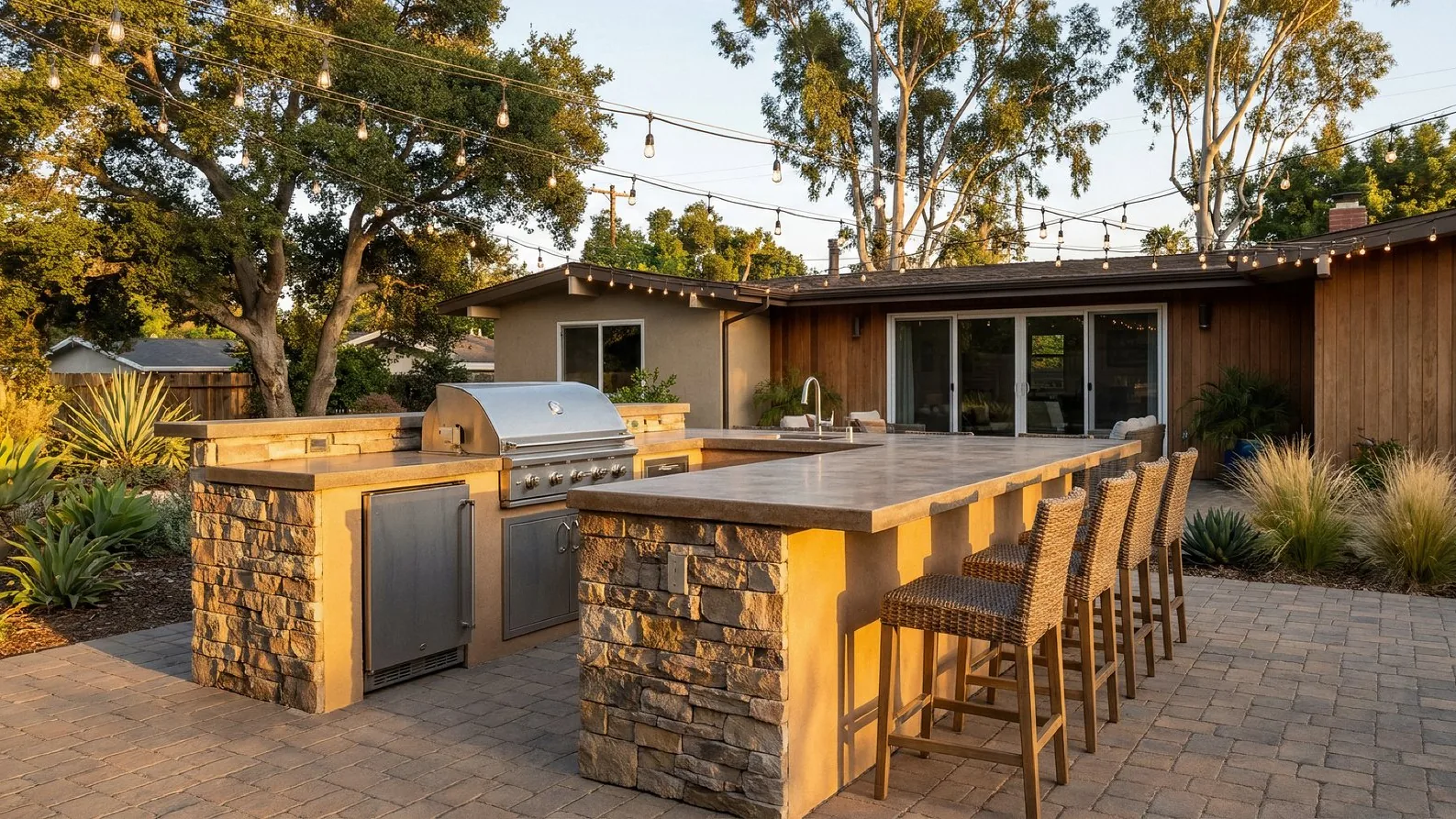
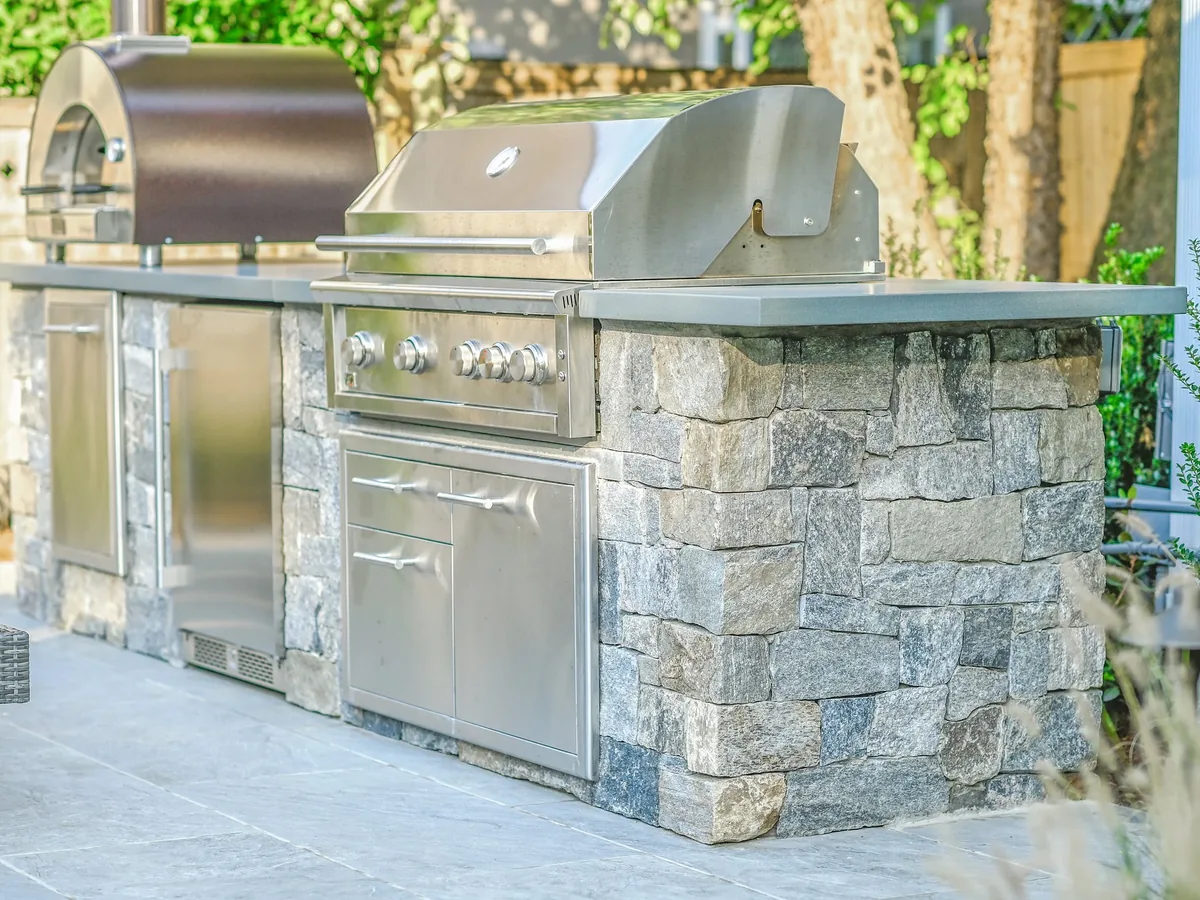
The body goes up in concrete block or a metal frame. Block takes stone veneer or a stucco coat well. The island can then match a wall, a column or an outdoor fireplace in the same yard. Counters run in stone, tile or poured concrete, with an overhang for bar stools.
We build the openings from the specification sheets for the units you buy. A built in grill, a side burner, a refrigerator and access doors each need their own opening and air gap. Those gaps are what keep heat away from the cabinet and the finish.
Gas, power and water on the Monterey Peninsula
An outdoor kitchen pulls in more than one trade. A gas line comes off the meter, a circuit feeds the refrigerator, and a sink needs supply and drain. Those runs carry their own permits and inspections, separate from the building permit. We coordinate them with licensed trade contractors under one contract.
On the Monterey Peninsula, a sink can add a water district step. The Monterey Peninsula Water Management District issues a water permit to set a meter or change its size. It also issues one to intensify water use on an existing connection. New outdoor fixtures can fall under that, so we check with the district first.
Who issues the building permit depends on the address. Cities like Monterey and Pacific Grove run their own building divisions. Pebble Beach and Carmel Valley are unincorporated, so they go through Monterey County Housing and Community Development. Aptos goes through the Santa Cruz County Unified Permit Center, so we confirm the rules for your address.
Salt air and material choices for a coastal outdoor kitchen
Freezing is rare on this coast. Salt air and moisture are what wear an outdoor kitchen down. Caltrans treats structures within 1,000 feet of the ocean as a marine atmosphere exposure. Inside that line its bridge specification calls for more concrete cover over reinforcing steel.
That standard is written for bridges on this same coastline. Near the water we keep good cover over the footing steel. Hardware goes in stainless or hot dip galvanized. Counters get sealed, and stone, tile and poured concrete each ask for different upkeep.
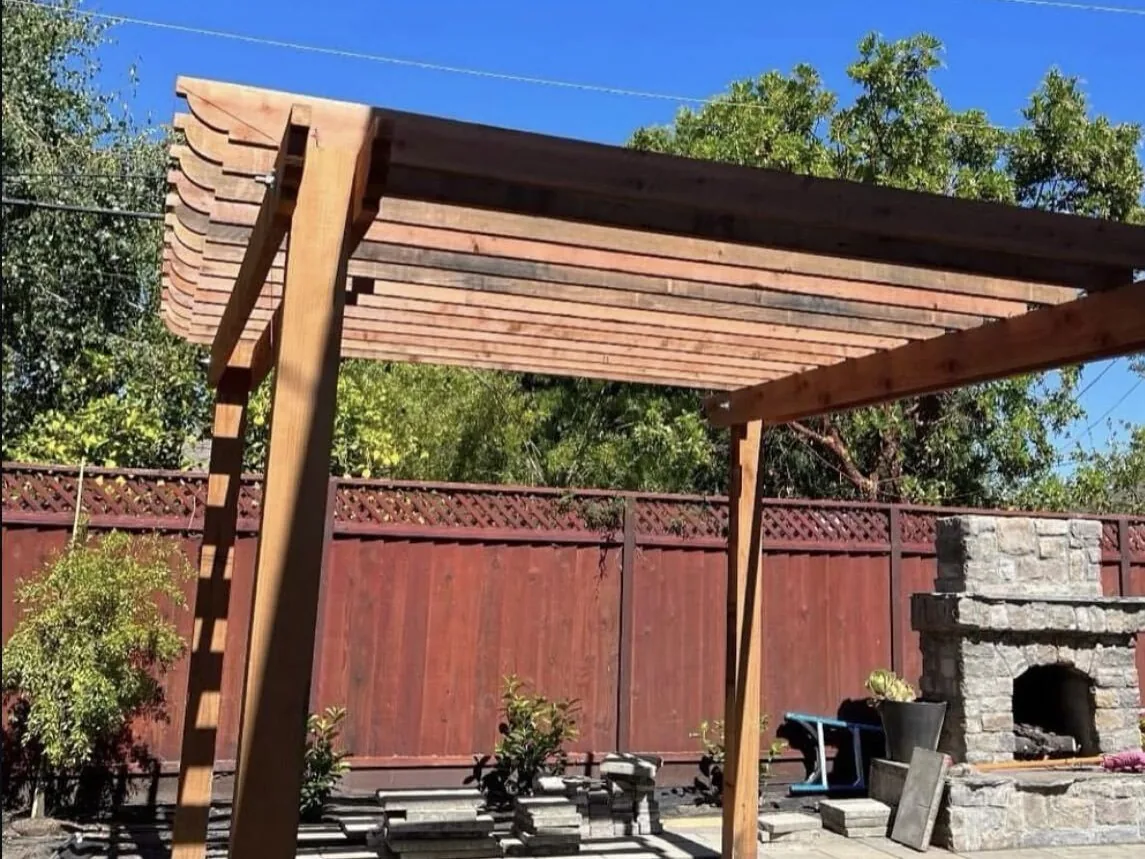
The season here is long, so the kitchen gets used most of the year. Near the coast the frost free stretch runs about 250 to 350 days. Cool, foggy summers put average July near 62 degrees, and wind is the thing to plan for. We place the island with some shelter, or build a patio cover over it.